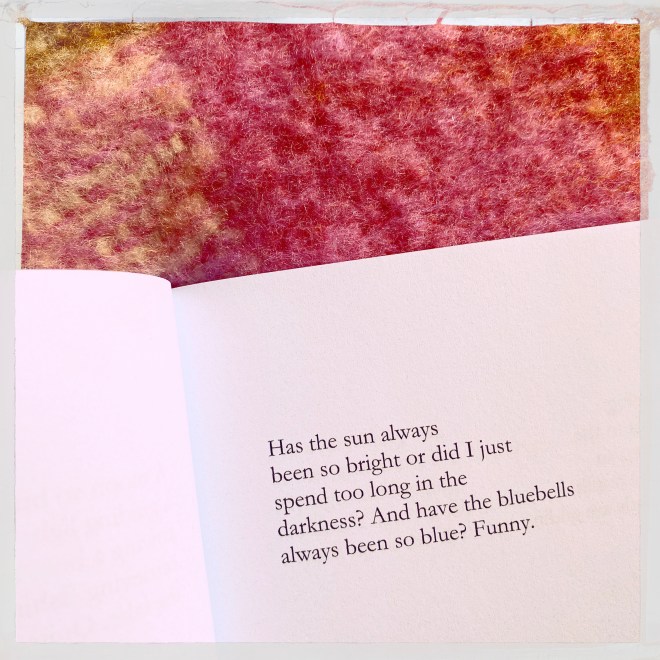
The tanka is one of the oldest Japanese forms of poetry, originated all the way to the seventh century. It translates as ”short song” and was very popular in the Japanese Imperial Court. They even had tanka contests. Still in tanka’s 1 300 year documented history it was mostly used messages between lovers.
Lovers would often send a tanka poem to the other person after an evening spent together, as a gift of gratitude. The message was written for example in a fan or in a piece of paper that was tied on a branch or stem of a flower. The messenger delivered this poem in a spesific container. When they arrived they were offered a drink and a possibility to flirt with the staff and servants while the lover was writing their answer to the poem. Then the messenger delivered the response poem to his master/hostess and like this helped to keep up a secret relationship of two lovers. That’s why tanka many times talks about love, passion and longing. In a way it resembles a sonnet.
After that the tanka has gown into representing a variety of life and it has been written all the way from baptism to roofing celebration.
The tanka has a thirty-one-syllables and is traditionally been written in a single unbroken line. Nowadays it is better known as a five-line, 5/7/5/7/7 syllable count form. The tanka is sometimes separated in two sections, the three upper lines (kami no ku) and two lower ones (shimo no ku). The upper three lines are the origin of the haiku. Western writers have written more poetry in haiku form than tanka, but it is still the central genre of Japanese literature.
The earliest anthology of Japanese poetry, Man’yōshū’s Collection of Ten Thousand Leaves, from ca. 759 has more than forty-two hundred poems in the tanka form. Many of the great tanka poets were women, for example Lady Murasaki Shikibu, Yosano Akiko and Lady Akazone Emon.
 Katja Pesonen
I’ve come to know ample about tanka.
Thanks to Katja Pesonen
LikeLiked by 1 person
So nice to hear, I’m glad you got some new information here, Subhraroy.
LikeLike